

The Block Insights
Buying Your First Property in the Philippines: A Practical Checklist Before You Reserve a Unit
A reservation fee is a real commitment. Before you pay one, these are the questions worth answering — about the property, the seller, and your own finances.
By The Block Market Editorial Team
August 16, 2026 · 3 min read
A reservation fee is small compared to the total price of a property, but it's the moment your search turns into a commitment. It's worth slowing down just before that point to work through a short, practical checklist — not because buying property should feel stressful, but because a few minutes of due diligence here saves real problems later.
About the property
- What exactly are you buying? A specific unit number, floor, and building/phase — not just "a unit in this project." Get this in writing before you pay anything.
- What's the actual title status? Ask directly whether the title is clean, whether it's mortgaged to a bank (common for developer land during construction), and when it's expected to transfer to your name.
- What's the real price, all in? Ask for the total contract price, not just the advertised "starting from" figure — unit location, floor, and view often carry premiums that change the final number significantly.
- When was this listing last verified? Prices, availability, and project timelines change. A listing that hasn't been checked recently is more likely to be stale than one updated this week.
About the seller or developer
- Who exactly are you dealing with? A licensed real estate broker, a licensed salesperson working under a broker, or the developer directly — these are different relationships with different accountability. Ask, and don't be shy about it.
- Is the license current? Real estate brokers and salespersons in the Philippines are licensed under the Real Estate Service Act (RA 9646) and regulated by the Professional Regulation Commission. It's reasonable to ask to see this, the same way you'd expect any licensed professional to be able to show credentials.
- For a developer project — is it registered with the appropriate housing authority for the type of development it is? This is a fair, normal question, not an accusatory one.
About your own finances
- Have you actually calculated total cost of ownership, not just the monthly amortization? Association dues, real property tax, and maintenance all continue after the mortgage is paid off — budget for the full picture, not just the loan.
- Have you checked your financing eligibility, even informally, before committing to a down payment schedule you're not certain you can sustain through loan takeout? See our guide on Pag-IBIG vs. bank financing for how that decision works.
- Do you understand your rights if you fall behind on payments? See our explainer on the Maceda Law — it's better to know this before you need it.
The honest bottom line
None of this checklist is about assuming bad faith from every seller or developer — most transactions in the Philippine property market go through without incident. It's about being the kind of buyer who asks specific, informed questions, because specific questions are much harder to answer badly than vague ones. A seller with nothing to hide will welcome them.
Ready to start? Search verified properties or browse licensed professionals to begin with confidence.
Ready to start your search with confidence?
Search PropertiesAbout the Author
The Block Market Editorial Team
More from The Block Market Editorial Team
Continue Reading
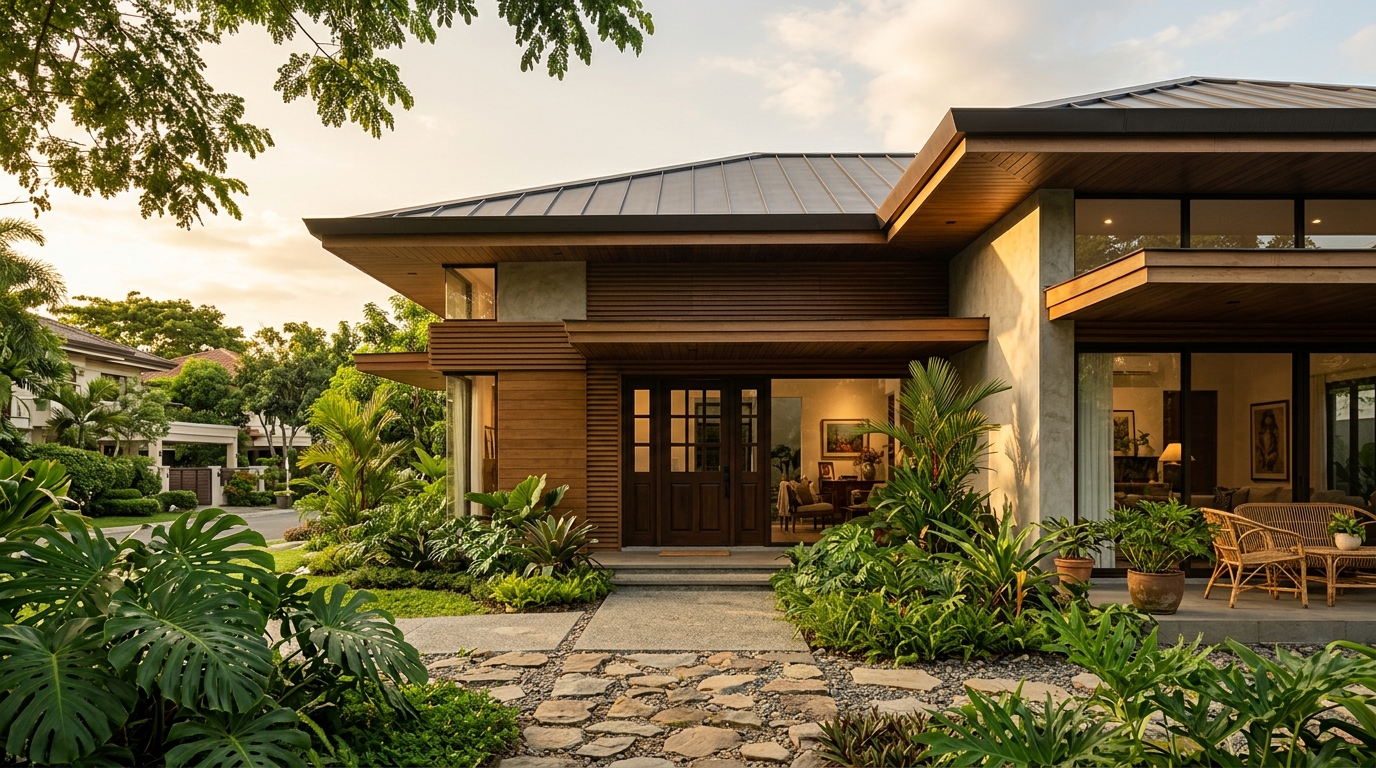
How to Buy a House in the Philippines: A Complete Step-by-Step Guide
Buying a house in the Philippines is a sequence of decisions, not a single one. This guide walks through the full journey — budget, financing, pre-qualification, due diligence, contracts, taxes, and title transfer — with the decision logic between every step, for first-time buyers and OFWs alike.
Nicole Abanilla · September 4, 2026 · 13 min read
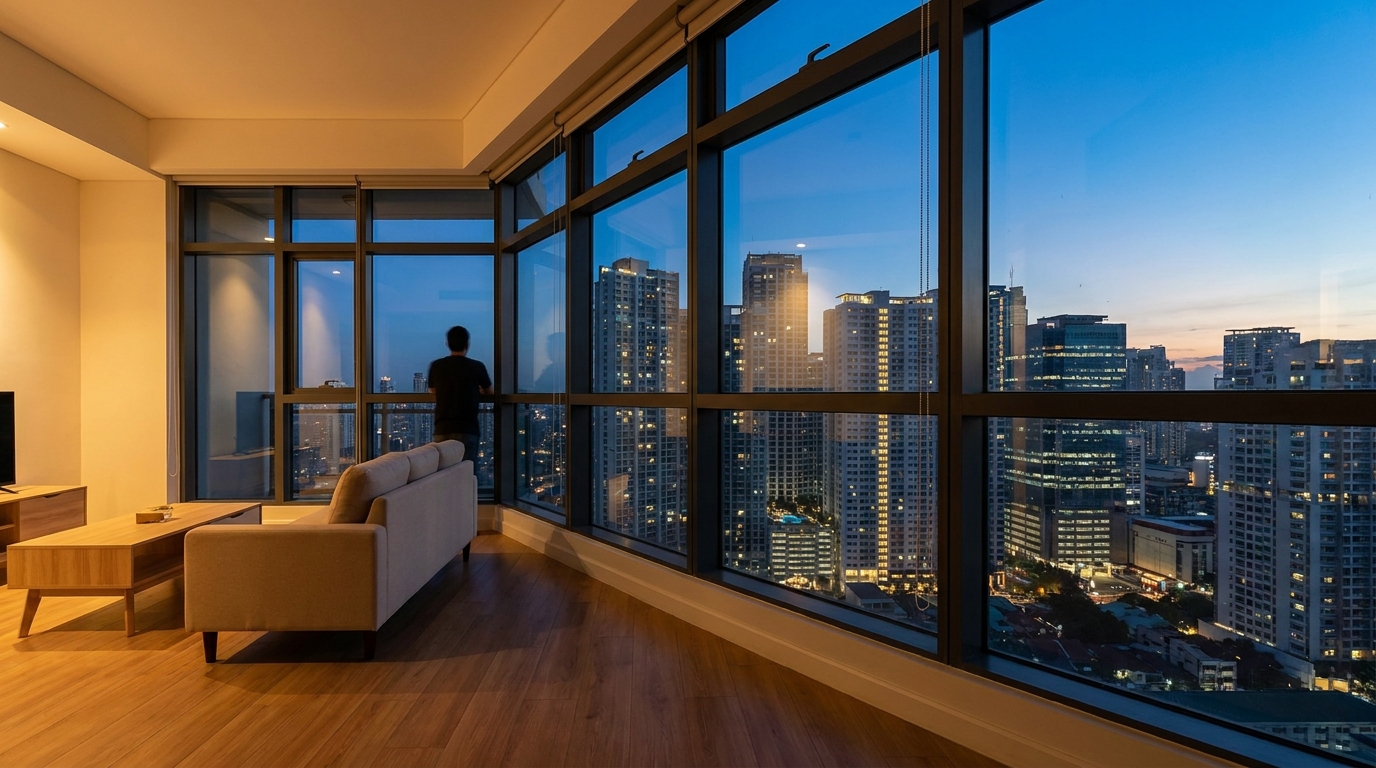
Buying a Condo in the Philippines: Everything First-Time Buyers Should Know
A condo is legally and financially different from a house — a private unit fused to a shared community with its own budget and rules. This guide covers what first-time buyers actually own, the real recurring costs, the 50-year question, pre-selling versus RFO versus resale, and the due diligence that protects your money.
Nicole Abanilla · September 5, 2026 · 10 min read
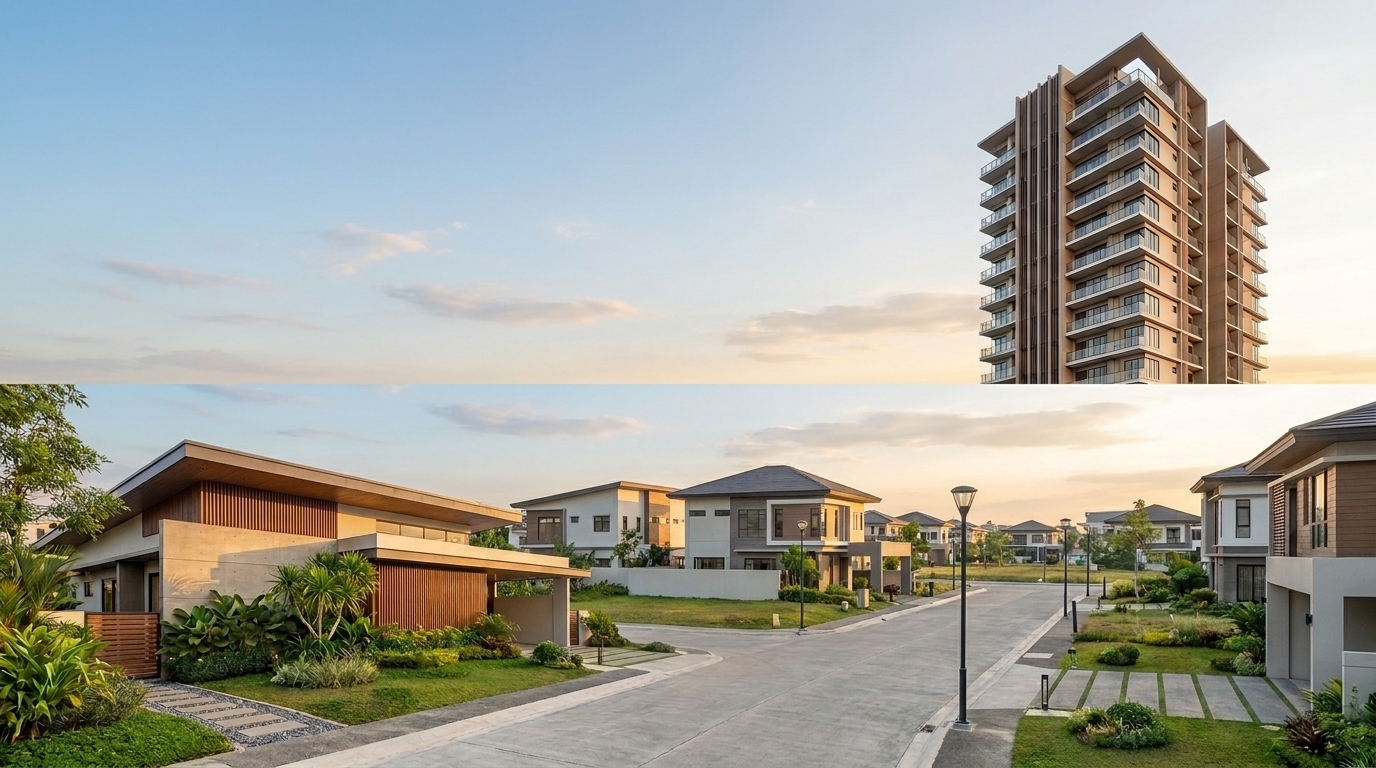
House and Lot vs Condo: Which Is Better in the Philippines?
A house and lot and a condo are different assets, not different prices for the same thing. This guide breaks the decision into five trade-offs — ownership, cost shape, location, lifestyle control, and exit — and gives honest verdicts by buyer situation, from CBD professionals to OFWs buying for family.
Nicole Abanilla · September 5, 2026 · 9 min read